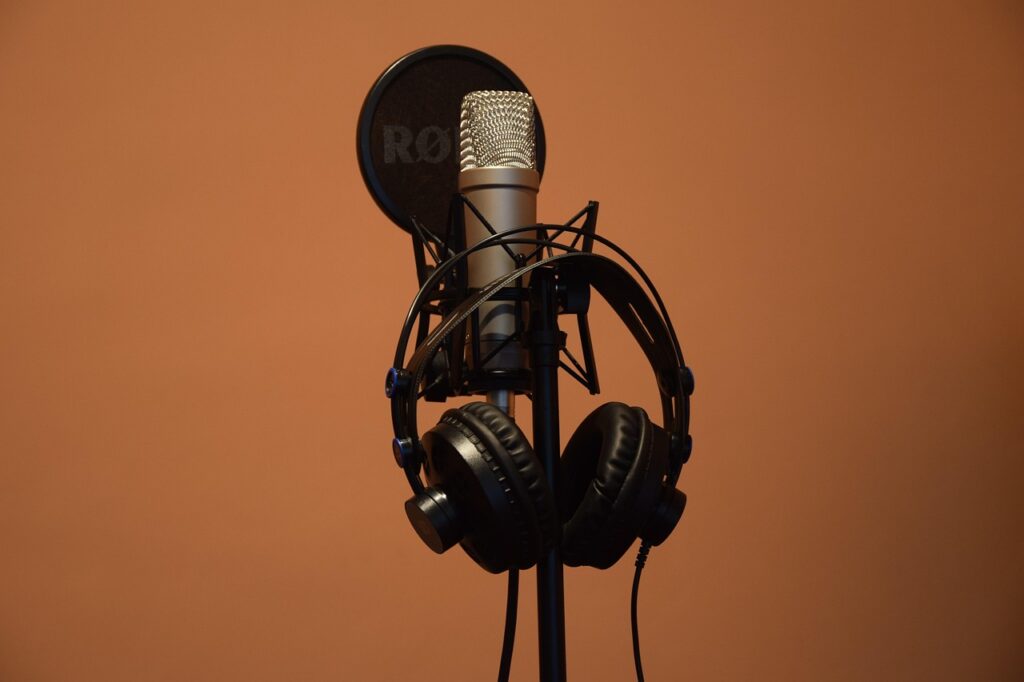

The Evolution of Original Soundtracks in Film
1. The Silent Era and the Birth of Soundscapes
The roots of film music can be traced back to the silent film era, where live musicians often accompanied screenings with improvised compositions. These early soundscapes served to enhance the emotional impact of the visuals, guiding audience reactions. Pianists, organists, and small orchestras created an auditory backdrop that colored the narrative, laying the foundational principles of original soundtracks (OSTs).
2. The Transition to Talkies: The Jazz Age
With the advent of synchronized sound in the late 1920s, film scoring evolved dramatically. The transition from silent films to “talkies,” epitomized by “The Jazz Singer” in 1927, afforded composers the opportunity to create integral musical elements that dictated audience engagement. Jazz, with its improvisational flair, became a dominant genre, influencing film scores that conveyed modernity and urban life.
3. The Golden Age of Hollywood: Orchestral Scores Take Center Stage
The 1930s to 1950s marked the Golden Age of Hollywood, characterized by lush orchestral scores. Composers like Max Steiner and Erich Wolfgang Korngold created iconic soundscapes for films such as “Gone with the Wind” and “The Adventures of Robin Hood.” Their compositions featured motifs that tied closely to characters and themes, employing techniques like leitmotif to ensure deep emotional connections.
This era showcased the significance of orchestration, layering strings, brass, woodwinds, and percussion to enhance cinematic narratives. The studio system further facilitated collaborations between directors and composers, leading to finely-crafted and integrated original soundtracks.
4. Post-War Experimentation: Jazz and Avant-Garde Influences
As societal norms shifted post-World War II, so too did the landscape of film music. Jazz began to see a pivotal rise, with musicians like Duke Ellington and Miles Davis contributing to soundtracks that resonated with contemporary audiences. Films like “Ascenseur pour l’échafaud” featured groundbreaking jazz scores that pioneered the use of improvisation in film music.
Alongside jazz, avant-garde elements emerged with composers like Igor Stravinsky and John Cage dabbling in unconventional sound exploration. This experimentation expanded the palette of film scores, allowing for mixed media, electronic sounds, and unique instrumentation.
5. The Rise of the Synthesizer in the 1980s
The development of synthesizers and electronic music in the 1980s transformed the sound of film scores. Composers such as Vangelis, known for “Blade Runner,” and John Carpenter, creator of the “Halloween” theme, embraced the capabilities of electronic instruments to create atmospheric and unique soundscapes. This era saw the integration of digital sound technology, allowing for diverse tonal qualities and production techniques.
6. The Age of Diversity: World Music and Fusion
With globalization in the late 20th century, film music began to reflect a broader spectrum of cultural influences. Composers like Gustavo Santaolalla blended Latin American sounds into Hollywood productions, as seen in “Babel” and “Brokeback Mountain.” Moreover, the infusion of world music, from traditional African drumming to Middle Eastern instrumentation, widened the emotional resonance of OSTs.
This age of diversity fostered an appreciation for cross-cultural collaboration, bringing unique flavors to mainstream cinema, with films such as “Slumdog Millionaire” showcasing Bollywood influences.
7. The Advent of Pop Scores and Soundtrack Albums
By the late 1990s, the incorporation of popular music into films reached a crescendo, transforming how original soundtracks were crafted. Filmmakers began to align soundtracks more closely with commercial viability. Movies like “Titanic” featured Celine Dion’s “My Heart Will Go On,” leading to immense album sales and chart-topping success.
Additionally, soundtrack albums became vital marketing tools, providing consumers an opportunity to experience the film’s essence long after the credits had rolled. This shift also encouraged artists outside the traditional film scoring community to craft music for movies, leading to a significant transformation in the industry.
8. Contemporary Trends: Hybrid Scores and Streaming
In the 21st century, original soundtracks have experienced a renaissance, characterized by hybrid scores that blend orchestral elements with electronic and pop influences. Composers like Hans Zimmer employ this technique to create resonant, multifaceted soundscapes for blockbuster films such as “Inception” and “Dunkirk.” The convergence of genres allows for varied emotional palettes that appeal to dynamic audiences.
The rise of streaming platforms like Spotify and Apple Music has provided filmmakers with a novel method to distribute their soundtracks, further marrying music with film as a shared cultural phenomenon. This accessibility has led to an uptick in the revival of classic soundtracks alongside the promotion of new compositions.
9. The Role of Technology and Virtual Collaboration
Advancements in technology have reshaped the entire film composing process. Software for composition, audio editing, and sound design has made it easier than ever for composers to create and collaborate remotely. Tools like digital audio workstations (DAWs) allow composers to generate rich scores without traditional orchestras, expanding accessibility for emerging talents.
Virtual collaboration has become commonplace, allowing filmmakers and composers to work together across continents, nurturing creative partnerships that transcend geographical limitations.
10. Looking Ahead: The Future of Original Soundtracks
As filmmaking continues to innovate, the future of original soundtracks appears vibrant and resilient. With increasing demand for immersive experiences in virtual and augmented reality, the role of sound is set to expand radically. Spatial audio techniques may become essential components of storytelling, further interweaving sight and sound.
Emerging trends also hint at a return to thematic depth in original scores, seeking to create emotional resonances that transcend mere background music. Films of the future might bridge the gap between the auditory and visual realms, redefining the art of cinematic music.
The lasting impact of original soundtracks in film profoundly affects how audiences experience stories. The evolution of OSTs—from the silent era to today—demonstrates an inherent interplay between cinema and music, continually reshaping the film narrative and emotional landscape. As technology advances and musical styles evolve, the future of original soundtracks will undoubtedly reflect the voices and visions of a new generation of creators.